Maintaining a 10 to 18 Year Old Estates of Credit Ridge Home
What to watch on a 10 to 18 year old Estates of Credit Ridge home: grading, roofs, furnace and AC sizing, water heaters, plus a seasonal checklist.

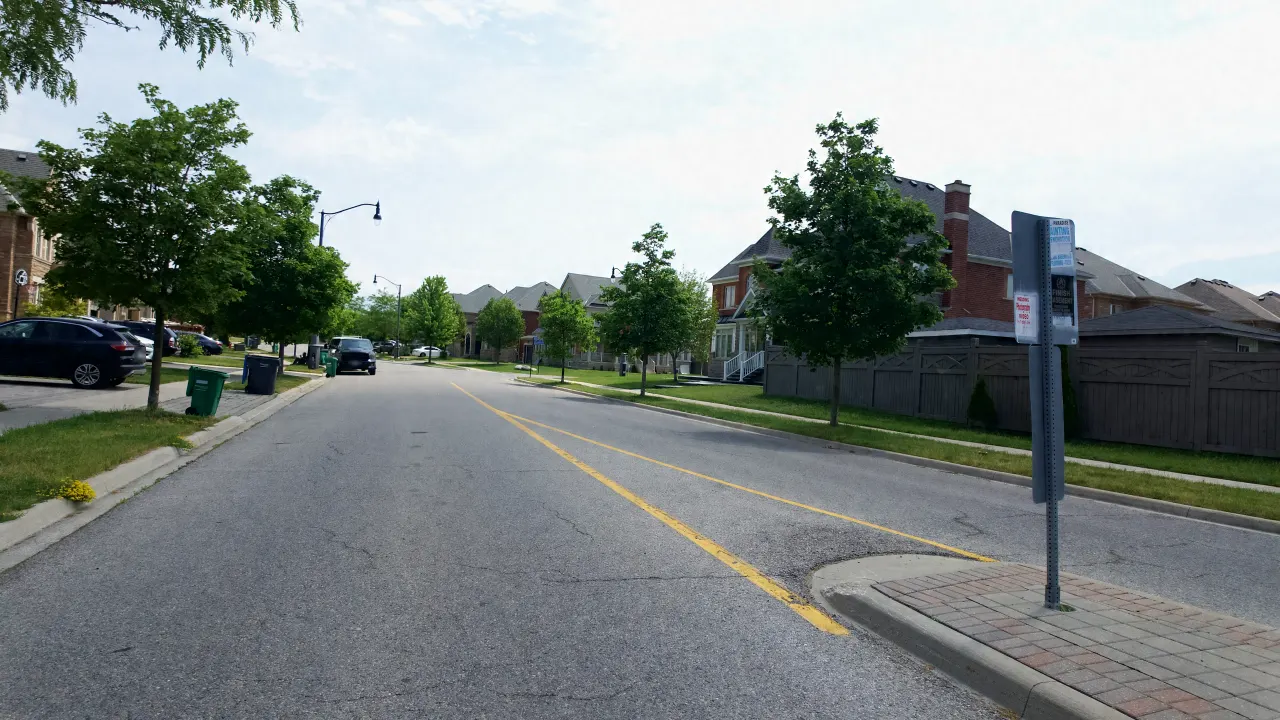
Most homes in Estates of Credit Ridge went up between the late 2000s and the mid 2010s, so many are now somewhere around 10 to 18 years old. That is the age when original equipment and builder finishes start to need attention. This guide covers what Harpreet sees most often when he walks through homes here, plus a season-by-season checklist for owners. It is general guidance: for repairs and equipment, use licensed trades.
What should you watch on a 10 to 18 year old home here?
At this age the theme is general wear and tear. Harpreet’s list starts with the grading around the house, then the roof, the heating and cooling equipment, and the water heater. Windows are generally still fine. After those, look at the improvements owners have made over the years and how well they were done.
Here is the list in the order he walks it:
- Grading. Check that the ground slopes away from the house, and look at any changes owners have made, such as new patios, interlock, gardens or decks, that could change how water drains.
- Roof. Look closely at the shingles, especially after windstorms.
- Heating and cooling. Some owners have upgraded furnaces or switched to heat pumps. Check that the equipment is sized for the house.
- Water heater. Check its age, and whether it is owned or rented.
- Windows. Generally still in good shape at this age.
- Everything else. The age of all major equipment, and the quality of any renovations.
At this age it is mostly general wear and tear. I always start with the grading, then the roof, the furnace and air conditioning, and the water heater. Windows are generally still okay. Then I look at all the other improvements owners have made.
Harpreet Sandhu, Real Estate Broker
Why does grading matter so much?
Grading decides where rain and snowmelt go. The City of Brampton says the ground around a house should slope down, away from the foundation and next-door properties, and that roof downspouts should extend at least two metres from the foundation. Managing drainage on private property is the homeowner’s responsibility.
Grading changes over time. Soil settles beside foundations, and landscaping projects can raise the ground or block a drainage swale. Many homes here back onto ponds, ravine lots or green areas, so it is worth knowing where your lot drains before you add a patio, a deck or a garden bed. Our guide to ravine and pond lots lists which streets back onto them.
What should you check on the roof?
Look closely at the shingles, especially after very windy days. Harpreet has seen many homes in the neighbourhood lose shingles in strong winds, and some go months without repairs. A missing shingle exposes the layers underneath, so get damage fixed promptly rather than waiting for the next season.
From the ground, look for missing or lifted shingles, granules collecting at the bottom of downspouts, and debris in the gutters. If you see damage, call a roofer rather than going up yourself, and keep the invoice: buyers and inspectors will ask about roof work when you sell.
I have personally seen a lot of homes lose shingles on very windy days, and some go months without repairs. Get it fixed promptly.
Harpreet Sandhu, Real Estate Broker
Is the furnace or air conditioner big enough for the house?
Check, because it is not always the case. These are large homes, and in Harpreet’s experience some builder-original air conditioners can feel undersized for them. Owners replacing equipment should have it sized for the actual house. Natural Resources Canada warns that rules of thumb can oversize or undersize a system.
Some owners here have upgraded their furnaces or switched to heat pumps. Whatever you choose, ask your contractor how they sized it, keep the paperwork, and book regular servicing. When you sell, the age of the furnace and air conditioner is one of the first questions buyers ask.
Should you check the water heater?
Yes. Find out how old it is and whether it is owned or rented, because a rental means a monthly charge and a contract that a buyer may take over. Harpreet replaced his own. Ontario rules restrict door-to-door water heater sales and give you a 10-day cooling-off period on these contracts.
Your rental agreement or the label on the tank will usually show the age. If you are thinking of switching suppliers or buying out a rental, read the contract for cancellation and removal costs first.
What does a seasonal maintenance checklist look like?
A simple routine keeps most problems small. In spring, check grading, downspouts and the roof after winter. In summer, look after the deck and exterior. In fall, service the furnace and clear the gutters. In winter, watch for leaks and ice. Keep a record of everything you do.
| Season | What to check |
|---|---|
| Spring | Walk the lot after the snow melts: low spots, soil settled against the foundation, downspouts that have come loose. Look at the roof for winter damage. Book air conditioner servicing before the first hot week. Test the sump pump if you have one. |
| Summer | Check decks, railings and stairs. Look at exterior caulking around windows and doors. Trim plants and trees back from the house. Check that patios and interlock have not shifted toward the foundation. |
| Fall | Service the furnace or heat pump and change the filter. Clean gutters and downspouts after the leaves drop. Shut off and drain outdoor taps. Look at the roof again after fall windstorms. |
| Winter | Keep downspout extensions clear of snow. Watch ceilings and exterior walls for signs of leaks. Check the water heater area for moisture. Note anything to fix in spring. |
What about upgrades the builder offered?
When these homes were new, builders offered upgrade credits. From his time hosting the Medallion model homes, Harpreet saw buyers spend them mostly on flooring and kitchens, higher basement ceilings, and pot lights inside and outside. Knowing which upgrades your home has helps you maintain them and describe them accurately when you sell.
Exterior pot lights and their transformers or switches are worth checking every few years, and original kitchens may be ready for hardware or appliance updates. Our post on the Medallion model homes has the full story, including a 2010 upgrade price list.
Frequently asked questions
How old are most homes in Estates of Credit Ridge?
Homes were going up by the late 2000s, and builders were still finishing homes in the mid 2010s, so most are roughly 10 to 18 years old in 2026. A few small pockets were added later.
Who is responsible for drainage on my lot?
The homeowner. The City of Brampton says managing stormwater and drainage on private property is the owner’s responsibility, and recommends that the ground slope away from the house and that downspouts extend at least two metres from the foundation.
Should I get a home inspection before selling?
It can help you find and fix issues before buyers do. Harpreet can walk through the home with you first and point out the items buyers most often ask about.
Do I have to keep a rented water heater when I sell?
It depends on your contract. Read it for buyout and transfer terms, and tell your agent early so the buyer knows what they are taking over.
Sources
- City of Brampton, Rain Ready Homes (lot grading, downspouts at least two metres from the foundation, homeowner responsibility): brampton.ca
- Natural Resources Canada, Best practices in heat pumps (sizing and qualified contractors): natural-resources.canada.ca
- Government of Ontario, Door-to-door sales and home service contracts (water heaters as restricted products, 10-day cooling-off period): ontario.ca
- Harpreet Sandhu, owner notes on what to watch in 10 to 18 year old homes and on builder upgrades (October 2026).