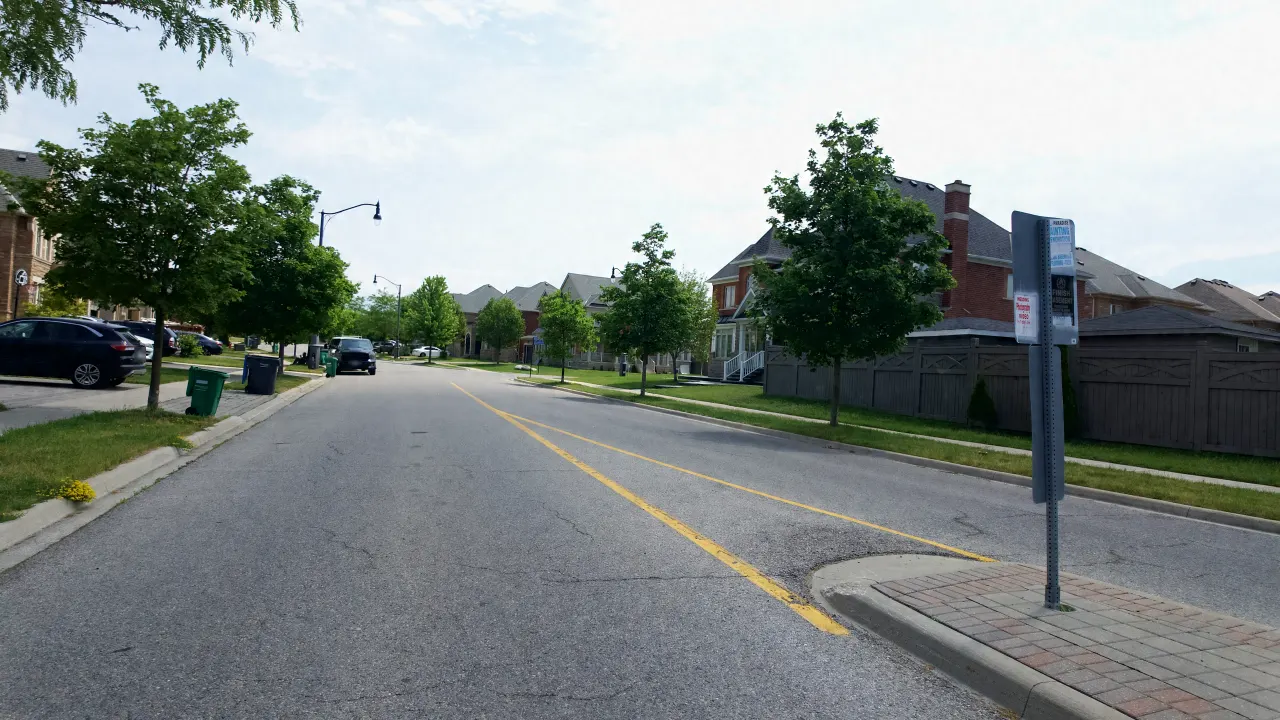
Upsizing Into Estates of Credit Ridge: Buy or Sell First?
Moving up to Estates of Credit Ridge? Buying first with bridge financing, selling first, same-day closings and keeping your old home, explained.

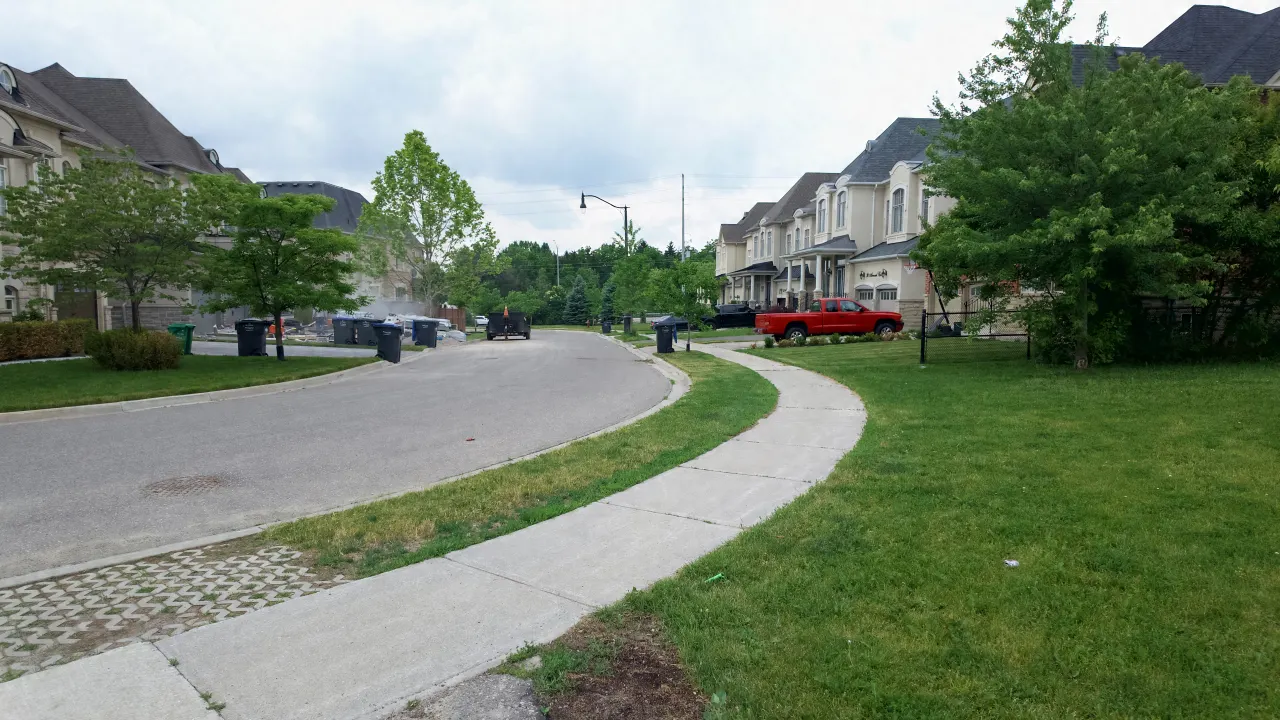
Many buyers come to Estates of Credit Ridge from a smaller home elsewhere in Brampton or the west GTA. The first big question is the order: do you buy the new home first, or sell the one you have? There is no single right answer. This guide lays out the options Harpreet walks his move-up clients through, with the trade-offs of each.
Should you buy first or sell first when upsizing?
It is a personal decision with pros and cons either way. Buying first lets you take your time and, with bridge financing, move at your own pace. Selling first tells you exactly what you can spend but means finding somewhere to live in between. The right order depends on your finances, timing and where you are coming from.
| Approach | Upside | Watch out for |
|---|---|---|
| Buy first, with bridge financing | Close on the new home first, move at your own pace, do upgrades before moving in | Carrying two homes if your sale takes longer; bridge financing must be approved by your lender |
| Sell first | You know your budget exactly and can be selective about offers | A move-out date to plan around; many stay with family or rent in between |
| Same-day closings | No overlap and no gap | Any delay by any party on closing day can set off a chain reaction |
| Keep the old home and rent it out | The old home becomes an investment property | Financing and landlord responsibilities; speak to your lender and accountant |
Buying first or selling first is a personal decision, and there are pros and cons either way. I walk every client through them. We’ve helped people with all sorts of situations.
Harpreet Sandhu, Real Estate Broker
How does bridge financing help move-up buyers?
Bridge financing is a short-term loan that covers the gap when you close on your new home before your current home’s sale closes. It lets you take possession of the new home first, move at your own pace, and do work such as painting, flooring or a kitchen before you move in. Your lender decides whether you qualify.
Harpreet sees many move-up buyers use that overlap to paint, redo floors or update a kitchen while the house is empty, which is far easier than doing the same work with a family living in it.
Ask your lender early: approval, the length of overlap they will allow and the cost all vary.
What does selling first look like?
Selling first means you accept an offer on your current home before buying, so you know exactly what you have to spend. The trade-off is a fixed move-out date. Some of Harpreet’s clients sell, stay with family for a while, then move into the new home once they find the right one, without feeling rushed.
Selling first also lets you weigh offers on your current home without the pressure of a purchase you have already committed to. A longer closing date on your sale can buy time to find the next home.
Are same-day closings a good idea?
Same-day closings are common: you sell and buy on the same date, using the sale money for the purchase. They avoid carrying two homes. The risk is that everything has to go right that day. If any party in either deal is delayed, it can set off a chain reaction that affects your move and your purchase.
If you go this way, keep a contingency plan, such as a few days of storage or somewhere to stay. RECO’s seller checklist gives the same advice: check that your closing dates line up, and have a plan in case they do not.
Same-day closings are common, but there is risk. If any party is delayed on closing day, it can cause a chain reaction. I make sure clients understand that before they choose it.
Harpreet Sandhu, Real Estate Broker
Does it matter where you are moving from?
Yes. The plan is different if you are coming from a rental, from a home you will sell, or from a home you will keep and rent out as an investment. Many move-up buyers here keep their first home. Each path changes your financing, your timing and the risks you need to plan for.
- From a rental. Your main timing question is your lease end date and notice period.
- From a home you will sell. Choose between buying first, selling first or a same-day closing, as above.
- From a home you will keep. Talk to your lender about qualifying with both properties, and to an accountant about the tax side of renting it out.
Before you start, our guide to closing costs in Estates of Credit Ridge helps you budget the purchase side, and our street-by-street guide helps you narrow down where to look. You can browse current homes on our listings page, and if you are getting your current home ready to sell, our selling page has more.
Frequently asked questions
Can I make my offer conditional on selling my current home?
You can ask for a condition on the sale of your home. Whether a seller accepts it depends on the market and the seller’s own plans.
How long a bridge loan can I get?
That is up to your lender. Ask before you make an offer, so you know how much overlap you can plan for.
What if my sale falls through after I buy?
That is the main risk of buying first. Speak to your lender about how long you could carry both homes, and price your current home realistically from the start.
Can Harpreet help with both sides?
Yes. Harpreet walks every move-up client through buying and selling together, including timing and closing dates. Get in touch to talk through your situation.
Sources
- Real Estate Council of Ontario, Seller’s checklist (closing costs on a sale; aligning closing dates and having a contingency plan): reco.on.ca
- Real Estate Council of Ontario, Buyer’s checklist: reco.on.ca
- Harpreet Sandhu, owner notes on how he advises move-up buyers (October 2026).