Coyotes and Wildlife in Estates of Credit Ridge’s Valleys
Coyote sightings near Estates of Credit Ridge by year, what the City of Brampton says to do in an encounter, the feeding by-law and tips for pets.

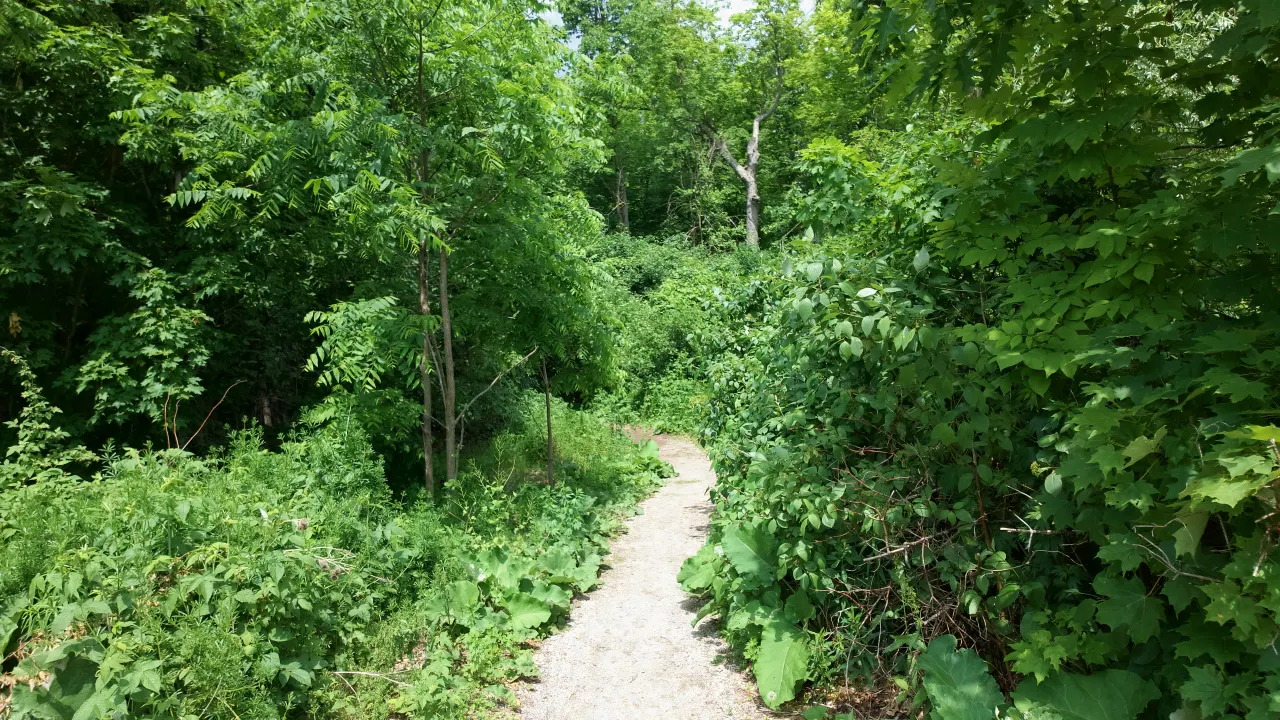
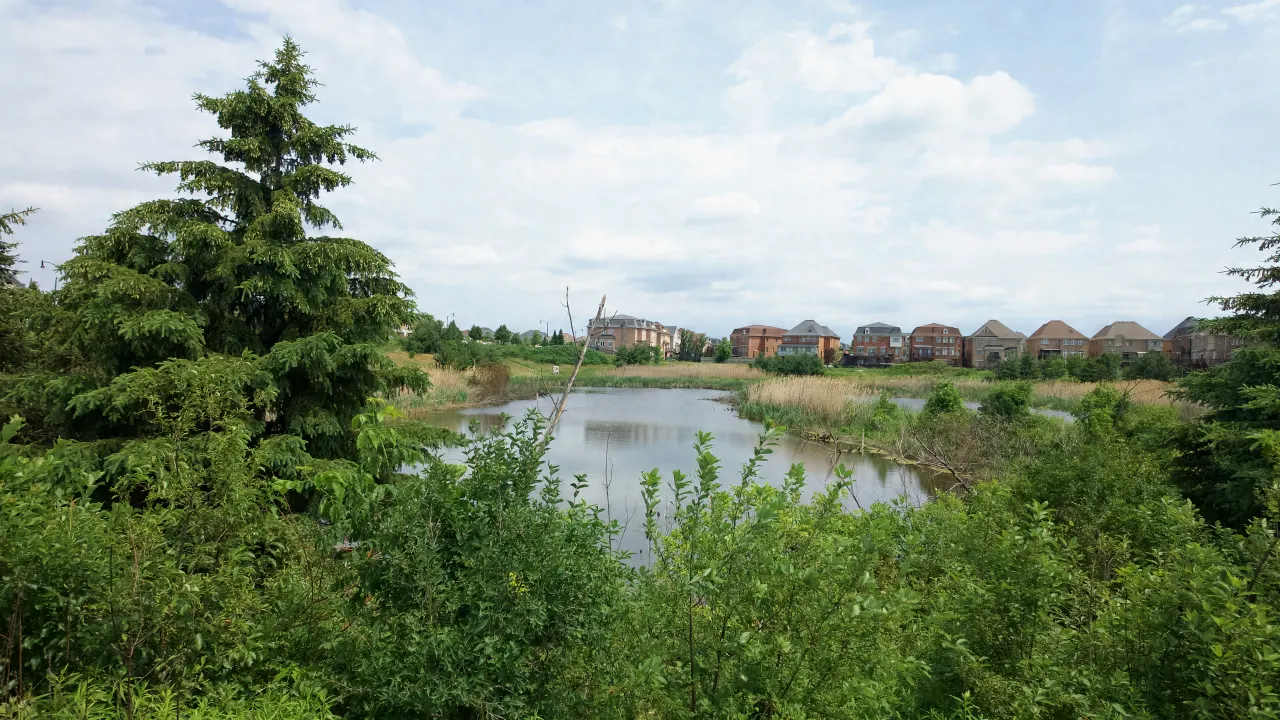
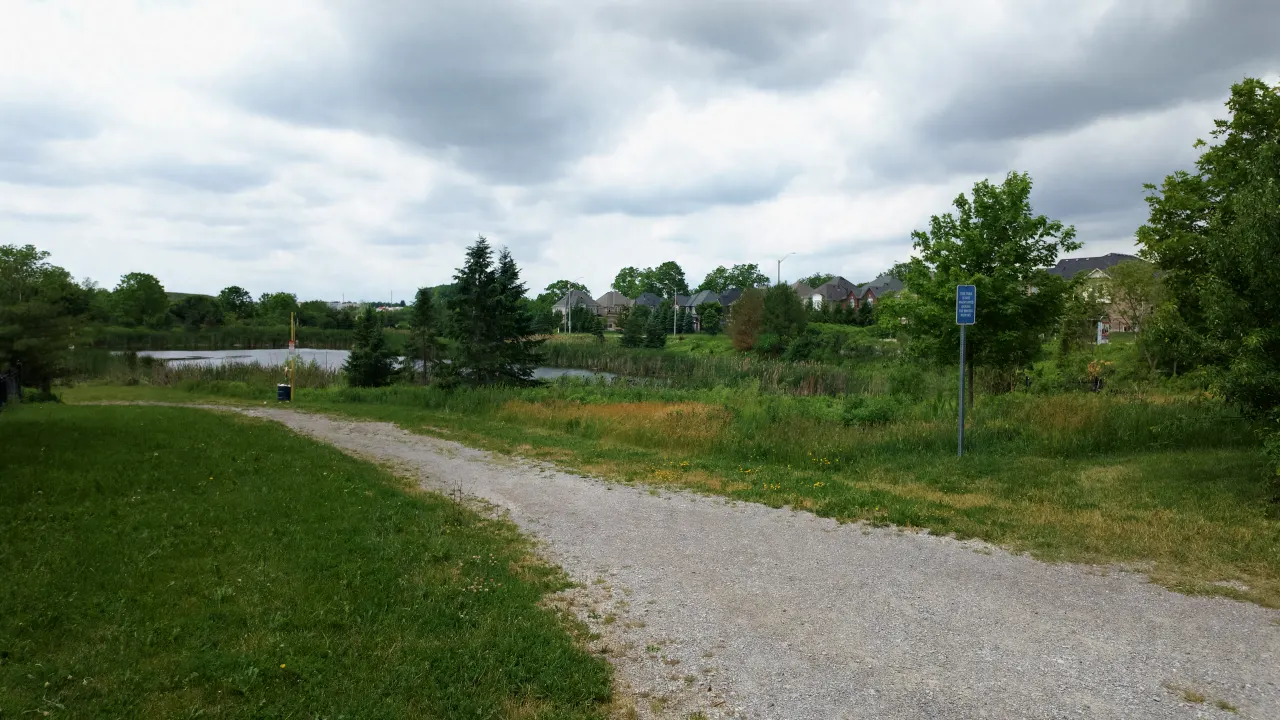
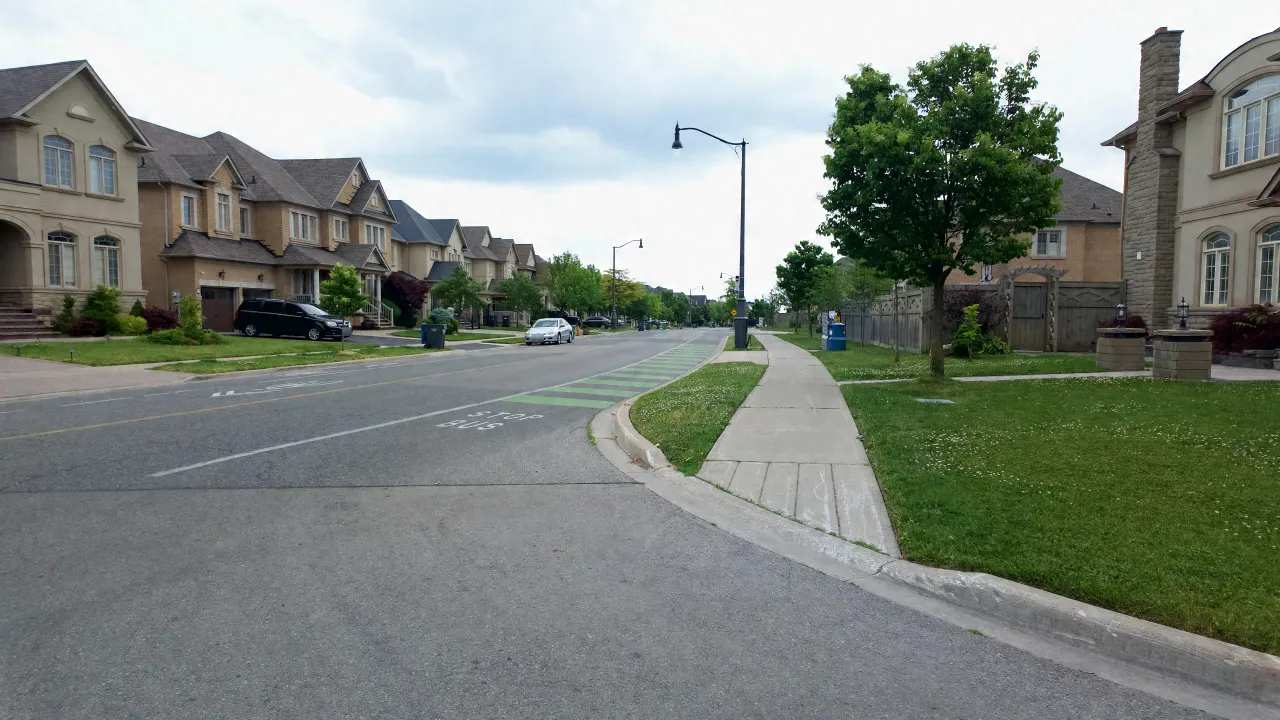
Estates of Credit Ridge wraps around Wolf Country Valley, a dozen stormwater ponds and other green areas, so wildlife is part of daily life here. Coyotes get the most questions. This guide covers what the City of Brampton’s public sighting records show for the area, what the City says to do if you meet a coyote, and how to protect pets on ravine and pond lots.
Are there coyotes in Estates of Credit Ridge?
Yes. The City of Brampton says coyotes live in parkland, ravines and woodlots across the city as part of the natural ecosystem, and its public sighting records include reports in and around Estates of Credit Ridge every year since 2022. Coyotes are naturally shy and usually avoid people, and the City’s guidance is to coexist with them.
Estates of Credit Ridge has a lot of woods and nature for a city neighbourhood. It is not uncommon to see a coyote, or to hear coyotes howling at night. I have personally seen turtles here, along with all the birds and other animals you would expect. I have hiked Wolf Country Valley and walked the trails, and it really is a diverse, nice place to live.
Harpreet Sandhu, Real Estate Broker
How many coyote sightings have been reported near the neighbourhood?
The City of Brampton’s open sighting data shows 51 public reports in the area around Estates of Credit Ridge from 2022 to mid-October 2026. The yearly counts were 4 in 2022, 11 in 2023, 8 in 2024, 11 in 2025 and 17 in 2026 so far. These are reports from residents, not a count of animals.
| Year | Sightings reported in the area |
|---|---|
| 2022 | 4 |
| 2023 | 11 |
| 2024 | 8 |
| 2025 | 11 |
| 2026 (to mid-October) | 17 |
| Total | 51 |
Counts are for a box drawn around the neighbourhood and its green areas, from the City of Brampton Animal Services coyote sightings layer (open data, CC BY 4.0), as of October 14, 2026. One animal can be reported many times, and more reports can mean more people reporting. We show yearly totals only and never map sightings near individual homes.
For the full picture of the area’s watershed, tree planting and wildlife, see our Environment & Wildlife page.
What should I do if I see a coyote?
Stay calm and do not run. The City says to look bigger by raising your arms, make noise, and back away slowly while keeping the coyote in view. A noisemaker, umbrella or spray of water can help scare it off. Call 311 if a coyote seems sick, injured or aggressive, and 911 if it is an immediate threat.
- Report a sighting: use the City’s online Coyote Sighting Map form. It helps Animal Services track activity.
- Sick, injured or aggressive coyote: call 311 or Animal Services at 905-458-5800.
- Immediate danger to people: call 911.
How do I protect my pets on a ravine or pond lot?
The City says coyotes are a particular risk to cats and small dogs. Keep dogs on a short leash near natural areas and trails, supervise pets outside at dawn and dusk even inside a fenced yard, and never leave pet food, birdseed or garbage outdoors where it can attract coyotes or the small animals they hunt.
Homes that back onto Wolf Country Valley, the ponds or other green areas are closest to the habitat. Our guide to ravine and pond lots lists the streets where that is common. A fence alone does not keep coyotes out, so supervision and removing food sources matter most.
Is it illegal to feed coyotes or other wildlife in Brampton?
Yes. Brampton’s Animal Services By-law 201-2023 prohibits feeding wildlife, including coyotes, foxes, squirrels, geese, ducks and pigeons, whether on purpose or by accident through garbage or spilled birdseed. The City reported a $350 penalty per violation in 2024, and says fines can reach up to $5,000. Report food left out for wildlife to 311.
The City explains why: animals that are fed lose their natural fear of people, start to link people with food and can become assertive. Feeding also spreads disease when animals gather in unnatural numbers.
When are coyotes most active?
The City describes two seasons to watch. From April to June, coyotes give birth and raise pups in dens across the city and can be protective of them. From October through February, young coyotes six to nine months old leave their family groups to find their own territory, so sightings often rise in fall and winter.
What other wildlife lives around the ponds and valleys?
Valley and ravine land along the Credit River works as a wildlife corridor through this part of Brampton, used by deer, foxes, birds of prey and coyotes as well as songbirds. Around the ponds you can also see waterfowl, and Harpreet has seen turtles. The ponds are stormwater facilities, so enjoy wildlife from the paths and never feed it.
For walks, see the parks and trails guide, Wolf Country Valley and our post on living near the trails and ponds.
Frequently asked questions
Are coyotes dangerous to people?
The City says coyotes naturally fear people and avoid contact. Call 911 only if a coyote poses an immediate threat; call 311 if one seems sick, injured or aggressive.
Where do I report a coyote sighting?
Use the City of Brampton’s online Coyote Sighting Map form, or call 311 or Animal Services at 905-458-5800.
Can I be fined for feeding birds?
The by-law covers feeding wildlife on purpose or by accident, and the City has said spilled birdseed can attract wildlife. Keep feeders tidy and food sources cleaned up.
Are sightings increasing in Estates of Credit Ridge?
Reports have varied from 4 to 17 a year since 2022, with 17 so far in 2026. Reports reflect how often people see and report coyotes, not the number of animals.
Sources
- City of Brampton, Coyotes (behaviour, pets, 311 and 911, sighting form and map, Animal Services contact): brampton.ca
- City of Brampton, Coyote pupping season in Brampton (May 7, 2026: April to June, safety tips, fines up to $5,000 under By-law 201-2023): brampton.ca
- City of Brampton, Seasonal safety reminders during coyote dispersal season (October 28, 2024: October through February): brampton.ca
- City of Brampton, Animal Services reminds residents about the risks of feeding wildlife (July 25, 2024: $350 penalty, why feeding harms wildlife): brampton.ca
- City of Brampton, Interactive coyote sighting tool launch (November 21, 2022: encounter guidance): brampton.ca
- City of Brampton Animal Services, Coyote sightings open data (yearly counts for the area, as of October 14, 2026; CC BY 4.0): geohub.brampton.ca
- Harpreet Sandhu, take from the Estates of Credit Ridge Environment & Wildlife page (October 2026).